The phrase ILY meaning is one of the most searched internet slang queries today, especially among people who text, chat, or use social media daily.
Short, emotional abbreviations have become a big part of online conversations, and “ILY” stands out because it carries strong feelings in just three letters.
People search for its meaning to avoid misunderstandings, respond correctly, or understand emotional context in chats and dating apps.
Whether you saw it on WhatsApp, Instagram, TikTok, or Snapchat, knowing what “ILY” means helps you communicate more confidently.
This guide explains the meaning of ILY in simple language, explores where it came from, how it’s used across platforms, and how to reply naturally.
If you want clarity without confusion, you’re in the right place.
Meaning & Definition of ILY
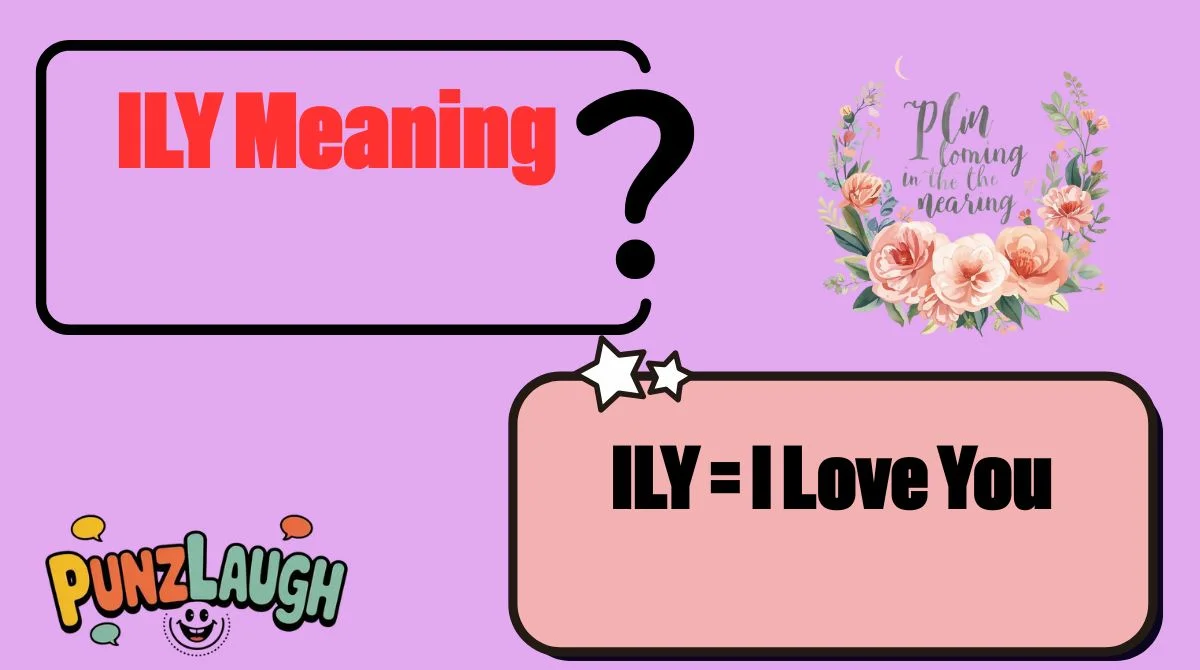
The ILY meaning is simple at its core: “I Love You.” It is a shortened, informal expression used mainly in digital communication. The primary meaning is emotional affection, care, or love toward another person. People use it to save time while still expressing warmth and closeness.
Primary Meaning
- ILY = I Love You
- Used between partners, close friends, and sometimes family
- Expresses affection without being overly formal
Secondary or Contextual Meanings
Depending on tone and situation, ILY can also mean:
- Friendly appreciation (“Thanks for helping me, ily”)
- Playful affection without romantic intent
- Habitual sign-off in close conversations
Short examples:
- “That was so sweet, ily 💖”
- “ILY bestie!”
- “You stayed up to help me, ily 😭”
The meaning depends heavily on context, relationship, and tone. In close relationships, it’s emotional. In casual chats, it may simply mean warmth or gratitude.
Background & Origin
The origin of ILY meaning traces back to early internet chat rooms, SMS texting, and instant messengers in the late 1990s and early 2000s. As texting limits and fast typing shaped digital language, people began shortening common phrases. “I Love You” became “ILY” for speed and convenience.
Key reasons for its rise:
- Character limits in SMS
- Faster mobile typing
- Growth of online relationships
- Youth-driven internet culture
Over time, ILY moved from private texts to public social platforms. It became emotionally lighter than spelling out “I love you,” making it easier to use without feeling too intense. Today, it’s a global abbreviation understood across cultures, age groups, and platforms.
Usage in Different Contexts
The ILY meaning changes slightly depending on where and how it’s used.
Casual Chat
- Friendly and relaxed
- Often used with emojis
- Not always romantic
Example:
- “That meme was hilarious, ily 😂”
Romantic Conversations
- Emotional and intimate
- Can signal affection or bonding
Example:
- “Goodnight, ily ❤️”
Family & Friends
- Expresses care without seriousness
- Common among siblings or best friends
Example:
- “Drive safe, ily!”
Professional Settings
- Rare and not recommended
- Can be misinterpreted
- Avoid unless there is a very close personal bond
Meanings Across Platforms
The ILY meaning stays mostly consistent, but tone varies by platform.
- WhatsApp: Personal, emotional, often romantic
- Instagram: Captions, comments, friendly or flirty
- TikTok: Casual affection, fandom love, trends
- Snapchat: Daily streak affection, light-hearted love
Examples:
- “ILY all for the support 🫶”
- “ILY guys, thanks for watching!”
Other Fields & Alternative Meanings
Outside texting, ILY can have rare technical meanings, though they are uncommon.
- Medical/Technical: May appear as internal abbreviations (not widely standardized)
- Aviation/Engineering: Rare internal shorthand, not public-facing
- Physics/Science: No standard meaning
In everyday usage, ILY almost always means “I love you.”
Common Misconceptions & Mistakes
People often misunderstand the ILY meaning, leading to awkward moments.
Common mistakes:
- Assuming it’s always romantic
- Using it too early in dating
- Sending it in professional chats
- Overthinking casual usage
Tip: Always consider who sent it and why.
Similar Terms & Alternatives
| Term | Meaning | Tone |
|---|---|---|
| ILYSM | I Love You So Much | Strong |
| LYT | Love You Tons | Playful |
| XOXO | Hugs and Kisses | Friendly |
| ❤️ | Love | Visual |
(Internal linking suggestion: link to pages like “ILYSM meaning” or “XOXO meaning in text”)
How to Respond to ILY
Your reply should match the tone and relationship.
Chat-style examples:
- “Aww, ily too 🥰”
- “That means a lot ❤️”
- “Right back at you 😊”
- “Always!”
If you’re unsure, keep it warm but neutral.
Differences From Similar Words
Unlike “love ya” or emojis, ILY:
- Is clearer in meaning
- Feels more intentional
- Still casual and flexible
It sits between playful slang and serious emotion.
Relevance in Online Conversations & Dating Apps
In dating apps, ILY meaning can be sensitive. It may signal:
- Growing attachment
- Emotional comfort
- Habitual texting style
Use carefully early on to avoid mixed signals.
Popularity & Trends Over Time
The ILY meaning has remained consistently popular:
- Frequently searched on Google
- Common in Gen Z and Millennials
- Widely used in social captions and comments
It remains relevant because it’s short, emotional, and easy.
FAQs & Related Search Queries
What does ILY mean in text?
It means “I love you.”
Is ILY romantic?
It can be, but not always. Context matters.
Can friends say ILY?
Yes, many friends use it casually.
Is ILY serious?
Less serious than spelling out “I love you.”
Should I reply to ILY?
Yes, a warm response is usually appropriate.
Conclusion
Understanding the ILY meaning helps you navigate modern digital conversations with confidence.
While it literally stands for “I love you,” its emotional weight depends on context, platform, and relationship.
From friendly chats to romantic messages, ILY has become a flexible expression of affection that fits today’s fast-paced online world.
Knowing when and how to use it, and how to respond, prevents confusion and keeps conversations comfortable.
Whether you’re texting a friend, replying on social media, or chatting on a dating app, this small abbreviation carries big emotional value when used thoughtfully.

I am the pun-slinging mind behind PunZLaugh.com, turning everyday words into weirdly wonderful laughs.I am on a lifelong mission to make your day brighter—one groan-worthy pun at a time.