Last updated on March 18th, 2026 at 07:42 am
The phrase AWL meaning in text has become a common search query as more people
encounter unfamiliar abbreviations in chats, comments, and social media posts.
With texting culture evolving rapidly, short forms like AWL can easily confuse readers who are not familiar with digital slang or professional jargon.
People often search for its meaning to avoid misunderstandings, especially when the same abbreviation can have different interpretations depending on context.
AWL is interesting because it is not limited to casual texting.
It appears in online conversations,
workplace messages, technical discussions, and even aviation or medical fields.
This flexibility makes it both useful and confusing. In this article, we will break down what AWL means in text,
where it comes from, how it is used across platforms, and how you should respond when you see it.
Everything is explained in a simple, friendly way for easy understanding.
Meaning & Definition of AWL
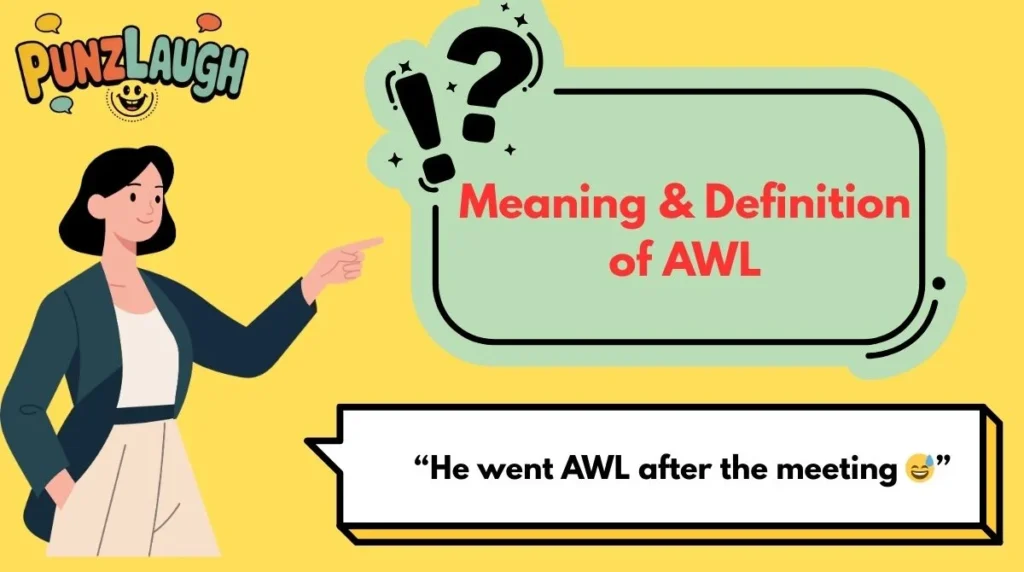
The AWL meaning in text most commonly stands for “Absent Without Leave.” This phrase is used to describe someone who is missing or unavailable without prior notice or permission. In casual texting, it often has a lighter, humorous tone rather than a strict or official meaning.
Primary Meaning
- Absent Without Leave: Someone did not show up or went offline without explaining why.
Example:
- “He went AWL after the meeting 😅”
Secondary Meanings
Depending on context, AWL can also mean:
- Away Long While: Informal way to say someone has been gone for a long time.
- Always With Love: Rare, affectionate usage in personal chats.
Because AWL has multiple meanings, understanding the conversation tone and situation is essential. In most texting scenarios, the first meaning is the safest assumption.
Background & Origin of AWL
The term AWL originally comes from military usage, where Absent Without Leave referred to a soldier being absent without official permission. Over time, this strict definition softened as the abbreviation moved into everyday language.
As digital communication grew, people began borrowing formal abbreviations and reusing them in casual ways. AWL transitioned from a serious disciplinary term to a playful or mildly critical expression in chats. Today, it’s common to see AWL used jokingly when someone disappears from a group chat or stops replying suddenly.
This evolution reflects how internet culture repurposes old terms and gives them new, relaxed meanings.
Usage in Different Contexts
Chat & Texting
- Used humorously or casually
- Often points out sudden silence
Example:
- “You went AWL last night 👀”
Social Media
- Used in captions or comments
- Indicates inactivity or disappearance
Professional Fields
- Retains a more formal meaning
- Often tied to attendance or accountability
Context decides whether AWL sounds playful or serious.
Meanings Across Platforms
- Usually casual
- “Bro went AWL again 😂”
- Used in comments or stories
- Refers to someone inactive or missing
TikTok
- Often humorous or sarcastic
- “Creator went AWL for weeks”
Snapchat
- Indicates someone stopped snapping
- Light teasing tone
Other Fields Where AWL Is Used
AWL is not limited to texting.
- Medical Field: May describe patient absence
- Aviation: Refers to absence from duty
- Technical/Workplace: Attendance tracking
- Physics/Engineering: Can appear as an acronym with field-specific meanings
Always consider the industry before assuming the texting definition.
Common Misconceptions & Mistakes
- Assuming AWL always means something romantic
- Using it in formal emails without clarity
- Confusing it with similar abbreviations
Misreading AWL can lead to awkward or incorrect responses.
Similar Terms & Alternatives
| Term | Meaning |
|---|---|
| BRB | Be Right Back |
| AFK | Away From Keyboard |
| GHO | Gone, Hanging Out |
| MIA | Missing In Action |
How to Respond to AWL
Simple and friendly responses work best:
- “Haha, yeah, got busy 😅”
- “Sorry, didn’t mean to go AWL!”
- “I’m back now 👍”
- “Life happened, my bad 😬”
Differences From Similar Words
Unlike AFK or BRB, AWL suggests:
- No warning
- Longer absence
- Mild accountability
It feels more playful than MIA but more noticeable than BRB.
Relevance in Online Conversations & Dating Apps
On dating apps, AWL can imply:
- Loss of interest
- Busy schedule
- Accidental ghosting
Example:
- “Thought you went AWL on me 😅”
Tone matters greatly in these situations.
Popularity & Trends Over Time
Search interest in AWL meaning in text has grown steadily as people encounter it outside military or professional contexts. Social media usage shows a gradual increase, especially among younger users who enjoy repurposing formal terms for casual humor.
FAQs
What does AWL mean in texting?
It usually means Absent Without Leave, implying someone disappeared without explanation.
Is AWL rude?
Not usually. Tone and context decide its impact.
Can AWL be used professionally?
Yes, but only in formal attendance or duty contexts.
Is AWL the same as ghosting?
Not exactly. AWL can be temporary and playful.
What should I reply if someone says I went AWL?
A simple apology or explanation works best.
Related Searches:
- AWL slang meaning
- AWL abbreviation
- AWL meaning on WhatsApp
Internal Linking Suggestions
- Link to “AFK meaning in text”
- Link to “MIA meaning in chat”
- Link to “BRB meaning online”
Conclusion
Understanding the AWL meaning in text helps you navigate modern digital conversations with confidence.
While its roots are formal, today’s usage is often lighthearted and casual.
Whether you see it in a group chat, social media comment, or dating app message, context will always guide its meaning.
Knowing when AWL signals humor, concern, or mild criticism allows you to respond appropriately without confusion.
As online language continues to evolve, abbreviations like AWL show how older terms can find new life in everyday communication.
Staying informed ensures smoother interactions and fewer misunderstandings.

I am the pun-slinging mind behind PunZLaugh.com, turning everyday words into weirdly wonderful laughs.I am on a lifelong mission to make your day brighter—one groan-worthy pun at a time.