The phrase “luv” meaning in text is one of the most searched slang queries online—and for good reason.
People see “luv” in messages, comments, dating apps, and social media captions, yet its meaning can feel unclear.
Is it romantic? Friendly? Flirty? Or just casual slang? In digital conversations, small words often carry big emotional weight, and “luv” is a perfect example.
It can express affection, warmth, sarcasm, or even habit, depending on who says it and where.
As texting replaces face-to-face communication, understanding these subtle cues matters more than ever.
This article explains what “luv” means in text, where it came from, how people use it across platforms,
and how to respond appropriately—whether you’re chatting with friends, flirting online, or navigating professional boundaries.
Meaning & Definition of “Luv” (200–400 words)
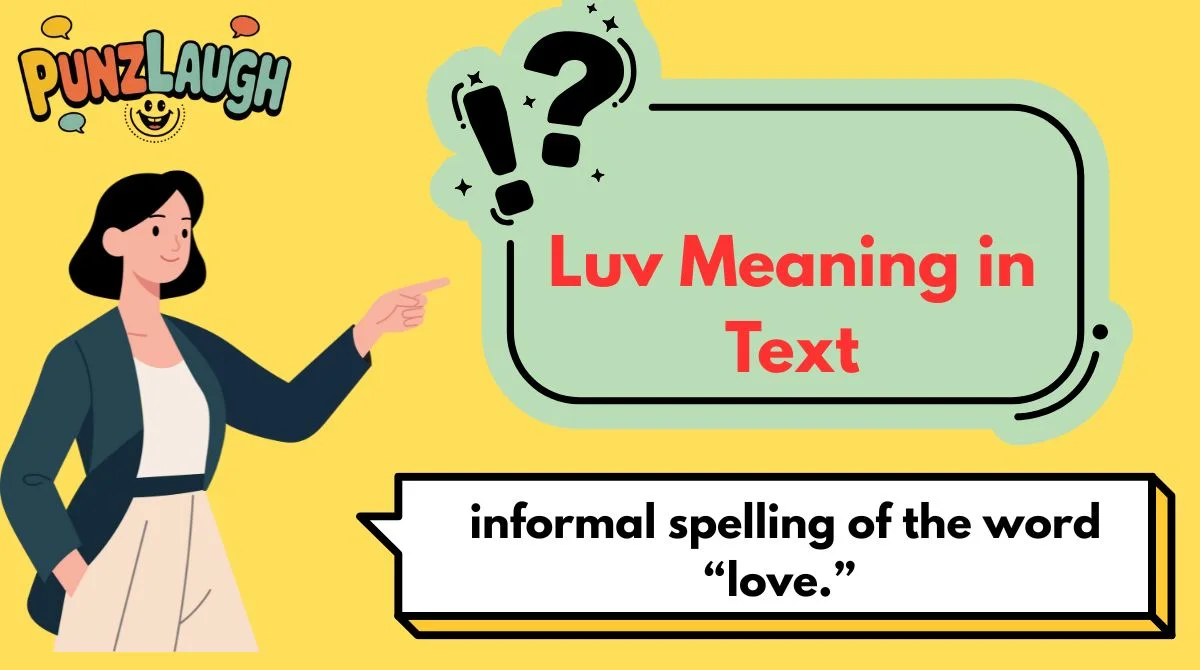
The meaning of “luv” in text is a casual, informal spelling of the word “love.” At its core, it expresses affection, warmth, or friendliness without the emotional intensity that “love” can sometimes carry.
Primary Meaning
In most text messages, “luv” is used to show:
- Friendly affection
- Emotional closeness
- Warm appreciation
Example:
- “Thanks for helping me today, luv!”
Here, “luv” feels light, kind, and personal—without being deeply romantic.
Secondary Meanings
Depending on tone and context, “luv” can also mean:
- Romantic interest: Often used between partners or people flirting
- Habitual speech: Common in British or Australian English
- Playful sarcasm: Rare, but possible with certain tones
For example:
- “Sure, luv, whatever you say.” (sarcastic tone)
Unlike “love,” which can feel serious or emotional, “luv” is softer and more conversational. People use it to avoid sounding overly intense while still being warm.
In texting culture, spelling changes often signal tone. “Luv” suggests informality, ease, and emotional safety. That’s why it’s common in everyday chats rather than formal writing.
👉 Internal link suggestion: See also “xoxo meaning in text” or “bae meaning in chat” for related affection slang.
Background & Origin of “Luv” (200–400 words)
The word “luv” didn’t originate online—it existed long before texting. Historically, “luv” emerged as a phonetic spelling of “love,” reflecting how the word sounds in casual speech.
Linguistic Roots
In spoken English, especially in:
- British English
- Australian English
- Informal regional dialects
People naturally pronounce “love” closer to “luv.” Over time, writers began spelling it that way to mirror speech patterns.
Entry into Texting Culture
With the rise of:
- SMS texting (character limits)
- Instant messaging
- Social media captions
Shortened spellings became popular. “Luv” fit perfectly—short, expressive, and friendly.
Cultural Influence
“Luv” is especially common in:
- UK conversations (“You alright, luv?”)
- Casual service interactions
- Friendly sign-offs
As texting spread globally, the term lost its regional limits and became universal digital slang.
Today, “luv” feels:
- Softer than “love”
- More emotional than “like”
- Less serious than romantic declarations
This balance explains its long-lasting popularity in online communication.
Usage in Different Contexts (200–400 words)
The meaning of luv in text shifts depending on where and how it’s used.
Casual Chat
Among friends or family, “luv” signals warmth:
- “Miss you, luv.”
- “Night, luv 💙”
Romantic Conversations
Between partners, it can be flirty or affectionate:
- “Good morning, luv 😘”
- “Can’t wait to see you, luv.”
Social Media
Used to engage followers warmly:
- “Thanks for the support, luvs!”
- “Love this community, luv 💕”
Professional or Semi-Formal
Occasionally used jokingly—but risky:
- Acceptable in creative fields
- Avoid in corporate emails
Context matters more than the word itself. Who says it, how often, and with what tone determines its meaning.
Meanings Across Platforms (200–400 words)
- Friendly and affectionate
- Often paired with emojis
- Used in captions and comments
- Expresses appreciation or positivity
TikTok
- Casual engagement with followers
- Influencers use it playfully
Snapchat
- Feels intimate due to private chats
- Often signals closeness
Platform culture shapes how “luv” feels—public spaces soften it, private chats deepen it.
Other Fields & Alternate Meanings (200–400 words)
Outside texting, LUV can have technical meanings:
- Color science: CIELUV color space
- Aviation: Aircraft registration codes
- Medical shorthand: Rare, context-specific
These meanings are unrelated to slang but important to avoid confusion in technical contexts.
Common Misconceptions & Mistakes
- Assuming “luv” always means romance ❌
- Using it in formal emails ❌
- Overreading emotional intent ❌
Tone + relationship matter more than the word itself.
Similar Terms & Alternatives
| Term | Meaning | Tone |
|---|---|---|
| Love | Strong affection | Serious |
| Luv | Light affection | Casual |
| Babe | Romantic nickname | Intimate |
| Hun | Friendly term | Warm |
| Dear | Polite affection | Neutral |
How to Respond to “Luv”
Friendly Replies
- “Aww, thanks! 😊”
- “Anytime, luv!”
Romantic Replies
- “Always thinking of you 😘”
- “You’re the best, luv ❤️”
Neutral Replies
- “Got it!”
- “Thanks!”
Differences From Similar Words
“Luv” feels:
- Less intense than “love”
- Warmer than “like”
- Safer than romantic labels
It’s emotional—but flexible.
Relevance in Online Conversations & Dating Apps
On dating apps, “luv” often signals:
- Light flirting
- Emotional openness
- Comfort, not commitment
It can be a soft test of affection without pressure.
Popularity & Trends Over Time
Search interest for “luv meaning in text” has grown steadily:
- Increased slang curiosity
- Rise of online dating
- Cross-cultural texting
Social media keeps the term relevant through casual, human interaction.
FAQs & Related Search Queries
1. What does luv mean in texting?
It means light affection or friendliness.
2. Is luv romantic or friendly?
It can be both, depending on context.
3. Is luv the same as love?
No, it’s more casual and informal.
4. Can I use luv with friends?
Yes, especially in relaxed chats.
5. Is luv appropriate in professional messages?
Usually no—unless culture allows it.
Conclusion
Understanding the luv meaning in text helps you read emotions more clearly in digital conversations.
This small word carries warmth without pressure, making it ideal for friendly chats, light flirting, and everyday affection.
Its flexibility is why people across cultures, platforms, and age groups continue to use it.
Still, context is everything—tone, relationship, and setting determine whether “luv” feels caring, romantic, or simply polite.
By knowing how and when to use it (or respond to it), you avoid misunderstandings and communicate more confidently.
As online language keeps evolving, words like “luv” remind us that even simple slang can express real human connection.

I am the pun-slinging mind behind PunZLaugh.com, turning everyday words into weirdly wonderful laughs.I am on a lifelong mission to make your day brighter—one groan-worthy pun at a time.