The phrase tbf meaning in text is something many people search for when they see it pop up in chats, comments, or social media posts.
Short forms like “tbf” are common in modern digital conversations, but their tone and intent can sometimes feel confusing.
Is it honest, sarcastic, polite, or rude? That uncertainty is exactly why people want a clear explanation.
“Tbf” is widely used in texting, online discussions, and casual debates to soften opinions or introduce honesty without sounding harsh.
As messaging apps and social platforms continue to shape how we communicate,
understanding abbreviations like this helps avoid misunderstandings and awkward replies.
This guide breaks down the meaning, origin, usage, and trends of “tbf” in a friendly,
easy-to-read way so you can use it confidently in everyday conversations.
Meaning & Definition of TBF
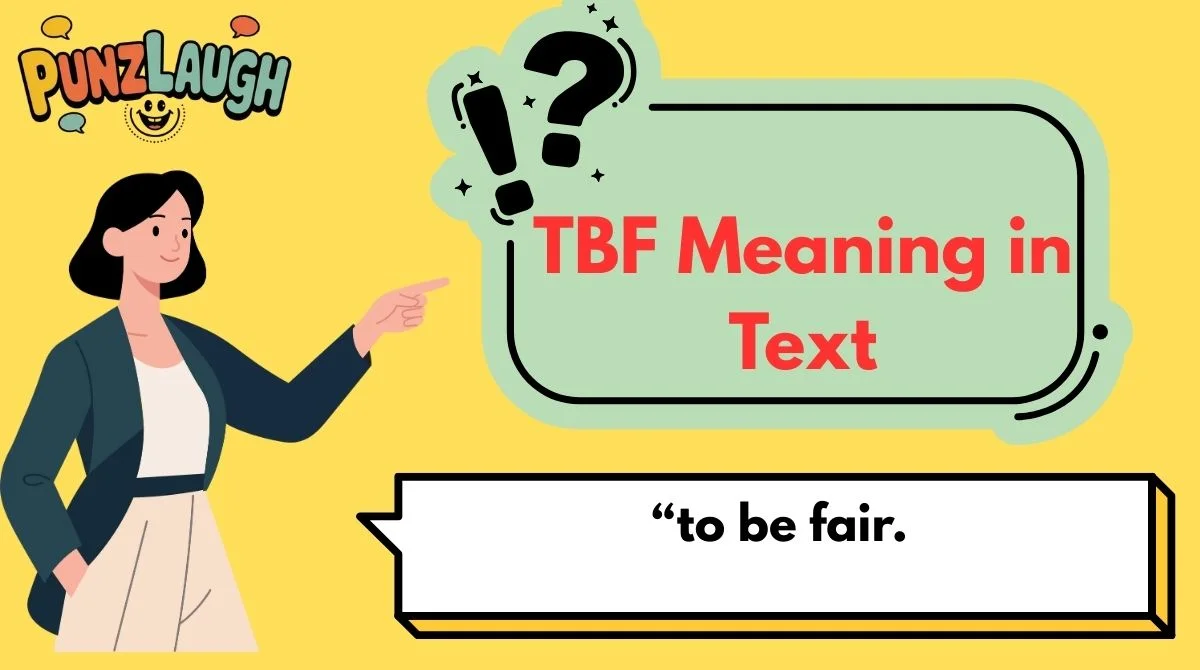
The tbf meaning in text is most commonly “to be fair.” It is used to introduce honesty, balance, or a neutral viewpoint in a conversation. When someone types “tbf,” they usually want to acknowledge another side of an argument or soften what they are about to say.
Primary Meaning
- To be fair: Used to show objectivity or understanding.
- Example: “Tbf, you didn’t know the rules.”
Secondary Meanings
Although rare, “tbf” can sometimes be interpreted differently depending on context:
- Honest clarification: Signaling truth allows openness.
- Soft disagreement: Disagreeing without sounding aggressive.
- Casual justification: Explaining behavior lightly.
In most text conversations, “tbf” is not negative. It often shows emotional awareness and maturity, making it popular in discussions, debates, and even friendly teasing.
Background & Origin of TBF
The abbreviation “tbf” comes directly from the phrase “to be fair,” which has been part of spoken English for centuries. As texting and instant messaging grew in the early 2000s, people began shortening commonly used phrases to save time and effort.
“Tbf” gained popularity in:
- Online forums
- SMS texting
- Early social media platforms
Its rise matches the digital communication shift where speed and tone matter. People wanted a quick way to show fairness or balance without typing full sentences. Over time, “tbf” became a recognized conversational signal, especially among younger users and frequent internet communicators.
Usage in Different Contexts
The tbf meaning in text changes slightly depending on where it is used.
Casual Chat
- Softens opinions
- Avoids arguments
- Adds honesty
Example: “Tbf, I was tired.”
Social Media
- Used in comments to explain viewpoints
- Often paired with opinions
Example: “Tbf, that movie wasn’t that bad.”
Professional or Semi-Formal
- Used cautiously
- More common in internal chats
Example: “Tbf, the deadline was unclear.”
Tone always depends on context, but overall, “tbf” aims to reduce conflict rather than create it.
Meanings Across Platforms
- Casual honesty between friends
- Often paired with explanations
- Used in comments or captions
- Sometimes playful or sarcastic
TikTok
- Appears in video captions
- Often introduces opinions
Snapchat
- Short, informal messages
- Used among close contacts
Across platforms, the meaning stays consistent: fairness and balance.
Other Fields: Does TBF Mean Something Else?
Outside texting, “TBF” may have different technical meanings:
- Physics: Time-based function
- Medical: Term used in internal shorthand
- Aviation: Time Between Failures
These meanings are context-specific and unrelated to texting or social media usage.
Common Misconceptions & Mistakes
- Thinking “tbf” is rude ❌
- Using it sarcastically in serious chats ❌
- Overusing it in professional emails ❌
Correct use improves clarity; misuse can confuse tone.
Similar Terms & Alternatives
| Term | Meaning | Tone |
|---|---|---|
| TBH | To be honest | Direct |
| IMO | In my opinion | Neutral |
| FYI | For your information | Informative |
| Honestly | Full version | Formal |
How to Respond to TBF
You can respond calmly and openly.
Chat Examples:
- “Yeah, tbf you’re right 🙂”
- “Tbf, I didn’t think of that.”
- “That’s fair tbh 😅”
- “I get your point.”
Differences From Similar Words
“Tbf” is about fairness, while:
- TBH focuses on honesty
- IMO signals opinion
- Honestly feels more direct
Understanding these differences helps match the right tone.
Relevance in Online Conversations & Dating Apps
In dating apps, “tbf” often:
- Softens rejection
- Explains delays
- Shows emotional awareness
Example: “Tbf, I’m just busy this week.”
It can feel polite and non-confrontational when used correctly.
Popularity & Trends Over Time
“Tbf” has steadily increased in usage:
- Popular since early texting days
- Common in memes and captions
- Frequently searched on Google
Its simplicity and neutrality keep it relevant in modern communication.
FAQs
What does tbf mean in texting?
It means “to be fair.”
Is tbf rude?
No, it’s usually polite and balanced.
Can tbf be sarcastic?
Yes, depending on tone and context.
Is tbf professional?
Only in casual or internal chats.
Is tbf the same as tbh?
No, tbf means fairness, tbh means honesty.
Internal linking suggestion:
👉 You may also like “TBH Meaning in Text” or “IMO Meaning in Chat.”
Conclusion
Understanding the tbf meaning in text helps you communicate more clearly and confidently online.
This simple abbreviation plays an important role in softening opinions, showing fairness, and keeping conversations friendly.
Whether you see it on WhatsApp, Instagram, TikTok, or dating apps, “tbf” usually signals honesty without conflict.
Like all abbreviations, it works best when used in the right context and tone.
By knowing when and how to use it, you can avoid misunderstandings and sound more natural in digital conversations.
As online language continues to evolve, terms like “tbf” remain useful tools for balanced and respectful communication.

I am the pun-slinging mind behind PunZLaugh.com, turning everyday words into weirdly wonderful laughs.I am on a lifelong mission to make your day brighter—one groan-worthy pun at a time.